
What is a UK Citizenship Ceremony?
A citizenship ceremony is the final legal step for most adult applicants after a British citizenship application (naturalisation or registration) has been approved. It is a formal occasion run by your local council where you make an oath or affirmation of allegiance and a citizenship pledge, and receive your citizenship certificate. Your British citizenship takes effect once the ceremony is completed.
We understand how important this moment is. While the ceremony can feel like the “rubber stamp” after months (and sometimes years) of paperwork and immigration applications, for many people it is a meaningful milestone. Attending in person and receiving the certificate is a powerful, tangible marker of becoming a British citizen.
Who requires a Citizenship Ceremony?
Most people aged 18 or over who are approved for British citizenship (including naturalisation and some registration routes) must attend a citizenship ceremony. It is a legal requirement and is arranged by your local council after the Home Office makes its decision. For applicants applying outside the UK, the ceremony is normally arranged by the relevant UK authority in your country of residence.
Children are not normally required to attend. However, many councils encourage children included in family applications to attend as part of the family group. If an applicant turns 18 during processing and the application is decided when they are 18 or over, a ceremony may be required.
When do I attend a Citizenship Ceremony?
After the Home Office approves your naturalisation application, you will be invited to attend a ceremony arranged by your local authority. Your invitation will tell you how to book and the deadline to attend.
If you have imminent international travel, plan your ceremony and first British passport application carefully. In general, once you become a British citizen you should travel using a British passport, so timing can matter.
Need help with the final step? Sussex Immigration Services provides advice and booking assistance as part of our standard legal services with naturalisation applications. We can also assist new clients on an advisory basis or as part of a linked UK passport application. Contact us to discuss your ceremony and timings.
What happens at the ceremony?
- Registration: the council registers your attendance and checks your identity.
- Oath or affirmation: you choose either a religious oath or a non-religious affirmation of allegiance to His Majesty the King. This is recited during the ceremony.
- Citizenship pledge: you pledge to respect the UK's rights, freedoms, democratic values and laws.
- Dignitary: during group ceremonies, most councils have a civic dignitary, such as a local councillor, MP or mayor, who provides a welcome speech and presents certificates.
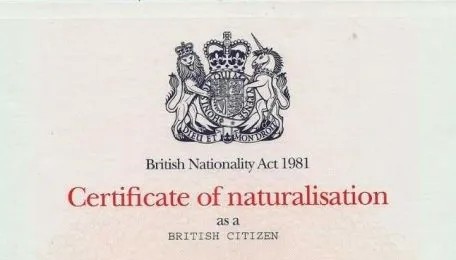
- Certificate presentation: you are presented with your Certificate of Naturalisation (or Registration certificate, where applicable), which is your legal proof of British Citizenship. If you applied as a family with minor children, their certificates will normally be presented as part of a family ceremony.
Practical tips before you attend
- Check your details early: your certificate is issued by the Home Office. Review your decision and contact the council promptly if anything looks wrong.
- Bring what the council asks for: typically your ceremony invitation (Home Office decision email) and photo identification (for example, your passport).
- Guests: most group ceremonies allow a small number of guests (often up to 2). Ask in advance about guest limits or request a private ceremony, if available.
- Decide on oath vs affirmation: both are legally valid—choose the option you feel comfortable with.
- Allow extra time: arrive early for check-in and document checks.
After the ceremony: applying for your first British passport
After you receive your certificate, you are a British citizen. If you plan to travel, you will usually need to apply for your first British passport. If you’re unsure what to provide, or you want to avoid delays caused by missing or incorrect evidence, getting advice early can save time and stress.
How we can help with your first British passport application
- Providing expert advice on the documents required by the Passport Office (HMPO) and how to submit them.
- Providing guidance on countersignatory requirements.
- Advising where names or personal details differ across documents (for example, after marriage, divorce or gender recognition), including how to explain and evidence discrepancies.
- Preparing a bespoke legal covering letter to explain your application and any specific circumstances.
- Acting as your point of contact with HMPO during processing, in the event of follow-up questions or requests.
- Preparing your application carefully to minimise follow-up questions, requests for further evidence, and avoidable delays.
Contact us before you book your ceremony (or travel). If you would like support at the final stages, we can explain what to expect at the ceremony, assist with booking and advise on timescales around upcoming travel, and provide full legal assistance on your first British Passport application, to ensure this application is submitted confidently and without avoidable delays.
Next step: Request a call back for assistance with your ceremony and UK passport application.
Citizenship Ceremony FAQs
How long do I have to book my citizenship ceremony?
You will be given a deadline in your invitation. You are normally required to book within 21 days of your decision, and required to attend a ceremony within 3 months. Time limits can vary depending on your circumstances and local arrangements, so check your invitation carefully.
Can I choose a private citizenship ceremony?
Many councils offer group and private ceremonies, subject to availability and fees. Your invitation should explain how to book and what options your council provides.
What if there is a mistake on my certificate?
Raise errors immediately – ideally before the ceremony if you spot them on your invitation, or at the ceremony if you notice them then. Corrections can take time, so acting quickly helps avoid delays with your passport application.
Do I need to apply for a British passport straight away?
You do not have to apply immediately, however you will need a UK passport to travel as a British citizen. If you have imminent travel, plan ahead and get advice on timing and documents.
Ready to get started? Request a call back to discuss how we can assist you with the final steps of becoming a British Citizen.
This article provides general information only and does not constitute legal advice or a professional relationship. UK immigration rules change frequently; you should not act on this information without a formal consultation tailored to your specific circumstances.